Blog
Washing machine tips and advice
Practical washing machine tips from ProServ, drawing on 20 years of washing machine repair experience. These articles explain why machines smell, rumble or stop working, how to protect yours from power problems, and what to weigh up when you buy a new one. Every tip sticks to checks you can do safely, with no DIY electrical work.
Latest articles
-
 Front loader vs top loader: which washing machine is right for your home? An honest comparison from a repairer who works on both: cleaning, running costs, space, and what goes wrong.
-
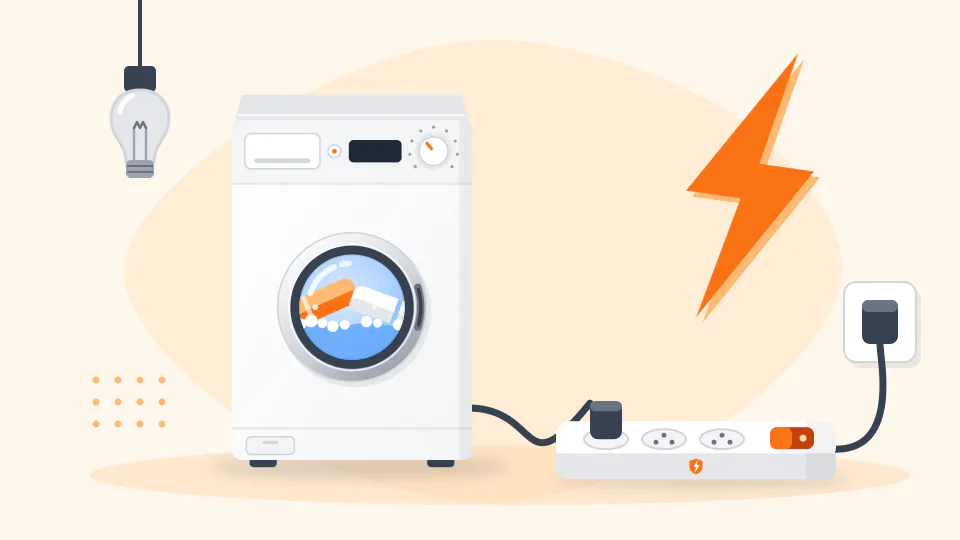 How to protect your washing machine from load shedding and power surges Power cuts and surges are hard on modern machines. Simple ways to protect yours, and what to do when the power comes back.
-
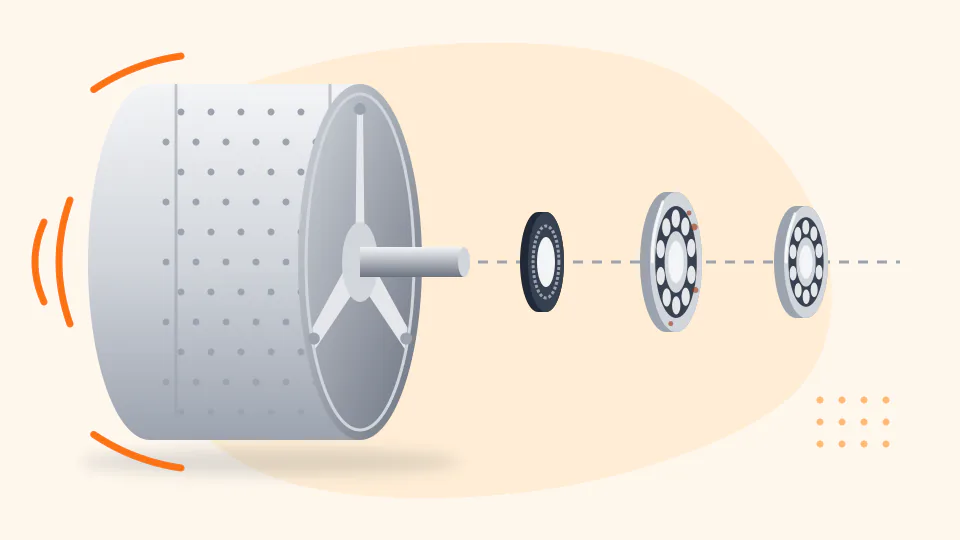 6 signs of worn washing machine bearings That rumble on spin might be your bearings. Here's how to tell, and why it pays to act early.
-
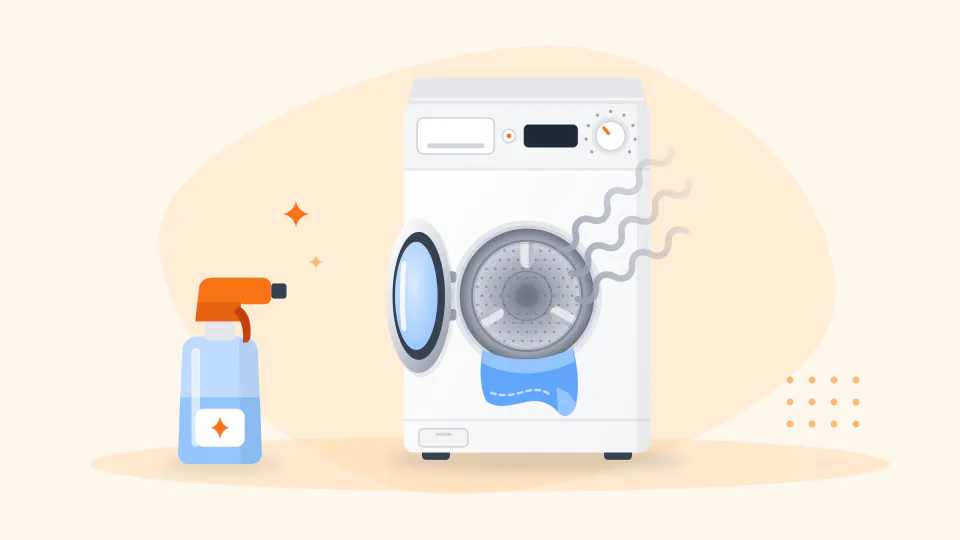 Why does my washing machine smell? Causes and how to fix it Musty, mouldy or rotten-egg smell? Here's where it comes from and how to get rid of it for good.
What the articles cover
Each article takes one topic in depth: the causes in plain language, the checks you can do yourself, and the point where a technician should take over.
Why your washing machine smells
A musty or rotten-egg smell is rarely a fault. Our article on why a washing machine smells shows where the build-up hides (the door seal, the detergent drawer, the pump filter, the gap between the drum and the outer tub, and the drain), why it has become more common, and how to clean it out and keep it away. It also explains the smells that do point to a problem.
Signs of worn bearings
Our guide to spotting worn washing machine bearings explains what the bearings do and how to recognise wear, from a rumble that grows louder on spin to a rough or loose drum, leaks from underneath and rusty streaks. It also covers why bearings fail, what replacing them involves and when the repair is still worth doing.
Load shedding and power surges
Our article on how to protect your washing machine from load shedding explains why the moment the power returns is hard on electronics, how low voltage and mid-cycle cuts affect a machine, and what helps: timing your washes, switching off at the wall, surge protection, and care with inverters and backup power. It ends with what to check after an outage and the signs of surge damage.
Front loader or top loader?
Buying a new machine? Our comparison of a front loader vs top loader weighs up cleaning, water and electricity use, detergent, space, ease of use, price and how each type holds up over the years, so you can choose for your household rather than for the showroom.
Start here
Not sure where to begin? Pick the line that fits:
- The machine has stopped working properly: start with our guide to common washing machine problems, then the guide for your symptom, such as washing machine not draining, washing machine not spinning or washing machine leaking.
- There's a code on the display: go to washing machine error codes and choose your brand.
- It smells, but works: read how to get rid of a washing machine smell before you book anything.
- It's getting louder on spin: read the signs of worn bearings, then washing machine noisy when spinning for the other causes of noise.
- The power keeps going off: read our load shedding advice, and if the machine is dead, see washing machine won't turn on.
- You're choosing a new machine: read which type of machine suits your home, and if you're weighing up your old one, our guide on whether to repair or replace a washing machine.
Habits that help any machine last
Most of the advice in these articles comes back to a few habits:
- Empty pockets, and wash socks and underwired bras in a mesh bag, so nothing reaches the pump or slips between the drum and the tub.
- Measure the detergent. Use one made for automatic machines, in the amount the pack suggests. More doesn't clean better, and the residue feeds smells.
- Don't overload or underload. A packed drum strains the bearings and motor, while a single heavy item on its own can't be balanced for spin.
- Let it dry out. Leave the door and the detergent drawer open after the last wash of the day, and close the laundry door if you have small children or pets.
- Keep the filters clean, as your manual describes, after switching off at the wall and unplugging, with towels and a tray ready for the water.
- Look at the hoses now and then for cracks or bulges, and keep the machine standing level.
- Switch off at the wall during load shedding, and wait for the power to settle before you restart.
A regular washing machine service takes care of the checks that need a technician.
How we write our advice
Every article is written for owners, not technicians. We explain how the machine works and what usually goes wrong, and we only suggest checks that are safe for anyone to do: nothing that involves opening panels, testing electrical parts or forcing a locked door. Where a fix needs a technician, we say so and explain what the technician does, so you know what you're paying for.
The advice is written for South African homes, with load shedding, water pressure that comes and goes, and the detergents sold here in mind. Machines differ, so where your manual gives different instructions for your model, follow the manual.
How each article is set out
The articles follow the same plan, so it's easy to find your way around:
- The short answer first. The opening paragraphs tell you what's most likely going on, and the On this page list takes you straight to the section you need.
- Safety notes in a box. Where an article suggests a hands-on check, such as cleaning the door seal or feeling for play in the drum, a boxed note above the steps says what to do first.
- Tables where they help. Some articles sum things up in a table, matching a smell to its likely cause, or a household's needs to the type of machine that suits them.
- A bottom line to finish. Each article ends with a short recap of the main points and how to reach a technician if you need one.
- Dates at the top. Every article shows when it was published, and the date of any later update.
Looking for help with a specific fault?
Our washing machine problem guides cover machines that won't drain, spin, switch on, fill or open, as well as leaks, noise and error codes. If the articles don't solve it, a technician can come to your home in Johannesburg, Pretoria, Centurion, Sandton, Midrand and the East Rand. Call or WhatsApp us, or use our booking form, and you'll get a quote before any work starts.
Questions and answers
Frequently asked questions
Are the tips in these articles safe to try myself?
Do the tips apply to my brand of machine?
How often should I clean my washing machine?
Can good habits stop my machine from breaking down?
Why don't the articles explain how to replace parts?
Can I ask about a problem the articles don't cover?
Book a technician
Washing machine broken? Let's get it fixed.
Call or WhatsApp now and we'll book a technician to come to you. You'll get a quote before any work starts.